Tile
Flooring Holiday, FL

Porcelain, ceramic, and natural stone — for floors, bathrooms, kitchens, entryways, and outdoor living spaces. The most durable choice in the showroom, installed by our own crew.

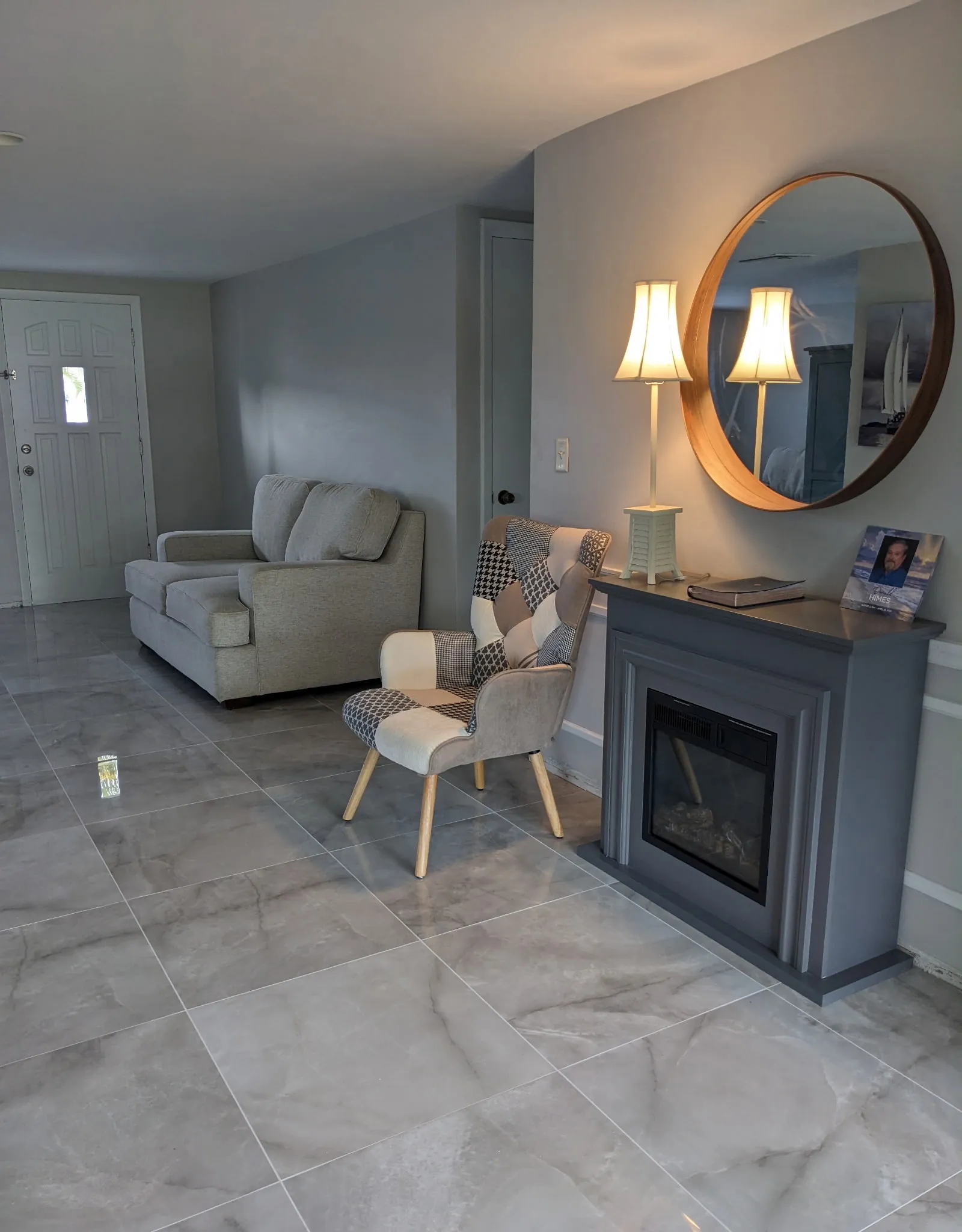
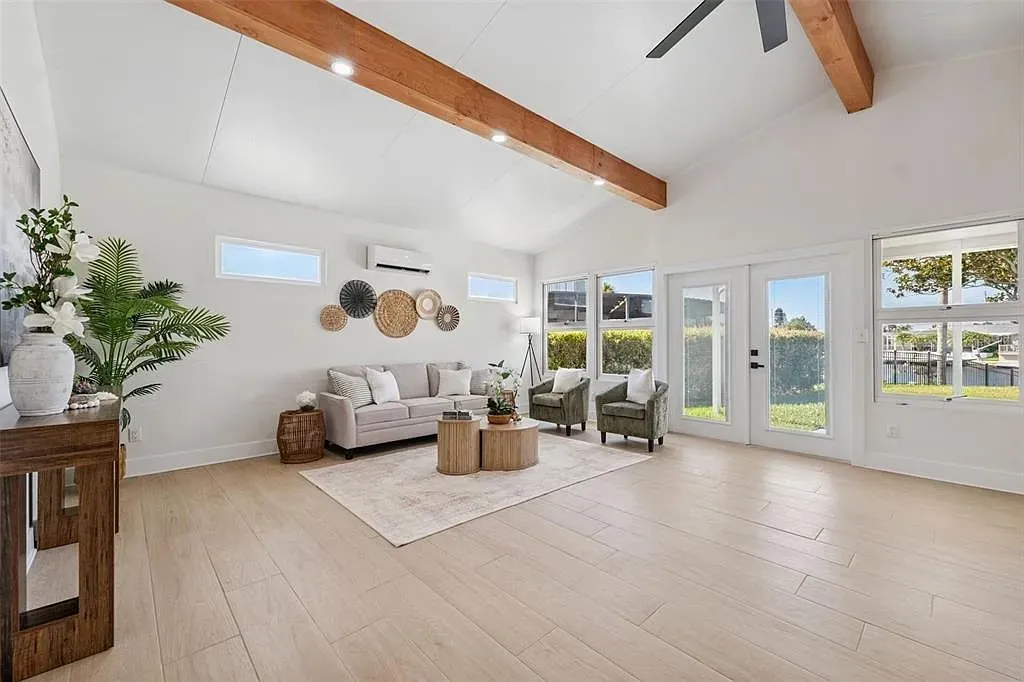
Tile flooring in a vaulted living room with exposed beams — Holiday, FL
55+
Years Installing Floors
500+
Tile Samples In-Store
Indoor
& Outdoor Installations
Own
Certified Tile Crew
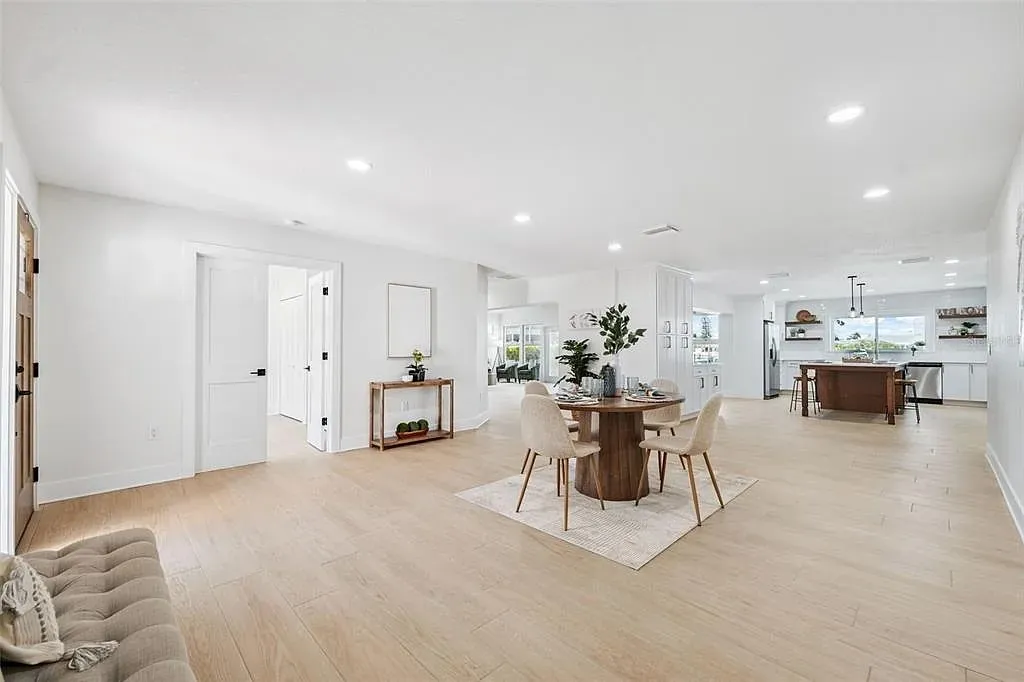
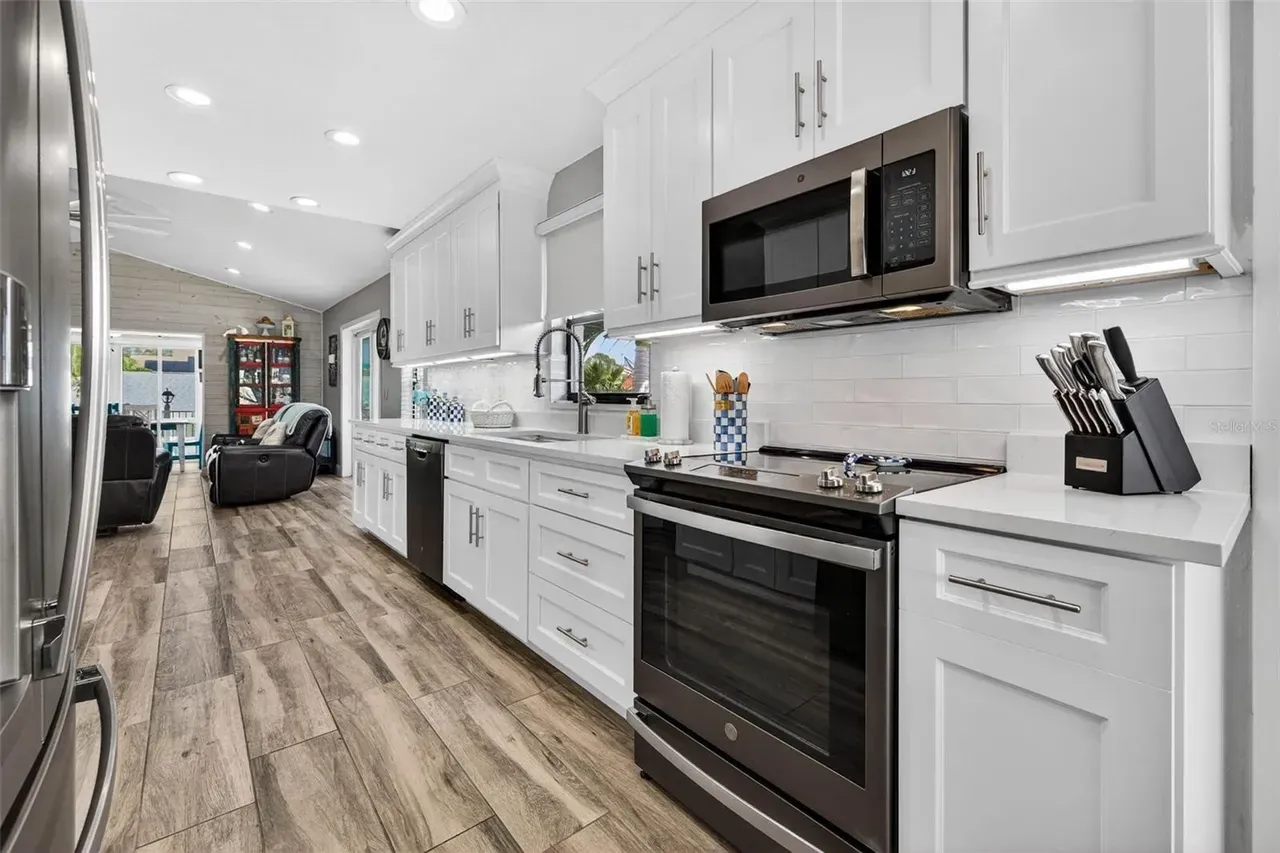
Tile flooring open plan dining and kitchen — Holiday, FL
Tile Flooring

The Most Durable Flooring You Can Put in a Florida Home

Tile is the longest-lived flooring material in the showroom. A well-installed porcelain floor can outlast everything else in a home — 50 years isn't unusual, and with grout maintenance it can be effectively permanent. No other flooring material handles Florida's heat, humidity, and heavy foot traffic as well over that timeline.

The trade-offs are real, too. Tile is harder underfoot than LVP or hardwood. Installation is more labor-intensive and requires precise subfloor prep. And grout — if not properly sealed and maintained — becomes a maintenance task that some homeowners underestimate.

We've been setting tile since 1968. Large format tile, herringbone patterns, shower surrounds, outdoor lanais, commercial spaces — our crew does it all with our own people. No subcontractors. Come into our showroom and see what 500+ tile samples actually look like in person.

See Our Tile Installs →
Tile Types

Porcelain, Ceramic & Natural Stone — What's the Difference

Recommended for Florida

Porcelain Tile

Denser than ceramic, with water absorption below 0.5%. Suitable for indoor and outdoor applications in Florida. Handles heat, UV, humidity, and freeze-thaw cycles (less relevant here, but a sign of quality). The default choice for most Florida installations — kitchens, bathrooms, living areas, and outdoor spaces.

Available in virtually any look: natural stone, wood grain, concrete, marble, and geometric patterns. Large format porcelain (24×24, 32×32, even larger) is increasingly popular in open-plan Florida homes.

Good for Interior Dry Areas

Ceramic Tile

Similar to porcelain but less dense, with higher water absorption (1–3%). Excellent for interior walls, bathroom walls, and low-traffic floor areas that stay dry.

We do not recommend ceramic for main living area floors, high-traffic kitchens, or any outdoor application in Florida. For bathrooms, ceramic works well for shower walls; porcelain is better for the floor.

High-End Applications

Natural Stone

Travertine, marble, slate, limestone, and quartzite. Each piece is unique — natural variation in color and grain that manufactured tile can't replicate. Beautiful in the right application.

Natural stone requires more maintenance than porcelain: sealing on installation and regular resealing, careful cleaning products, and attention to etching on polished marble. In Florida's high humidity, sealing is not optional. We'll tell you exactly what a specific stone requires before you commit.

Reading the Specs

What to Look For When Choosing Tile

PEI Rating
1 – 5
The hardness/traffic rating for floor tile. PEI 1–2 is wall only. PEI 3 handles light residential (bathrooms). PEI 4 is standard residential floors. PEI 5 is heavy commercial. For main living areas, we recommend PEI 4 or higher.
Water Absorption
<0.5% Porcelain
Porcelain absorbs less than 0.5% water — suitable for outdoor use. Ceramic absorbs 1–3% — interior only. Natural stone varies and always requires sealing. In Florida, the absorption rate matters more than anywhere else.
COF (Slip Resistance)
≥0.42 Interior · ≥0.60 Wet
Coefficient of Friction measures slip resistance. ANSI requires ≥0.42 for interior floors. Wet areas and outdoor surfaces need ≥0.60. Critical for Florida pool decks, lanais, and bathroom floors. Ask us to confirm the COF before ordering outdoor tile.
Free Estimates
In-Home
Tile estimates require a site visit — subfloor flatness, deflection, and pattern complexity all affect the scope. We measure everything and provide a full written estimate before any commitment. Call (727) 849-5273.
Grout Type
Sanded · Unsanded · Epoxy
Sanded grout for joints over 1/8". Unsanded for narrower joints and natural stone. Epoxy grout is the most durable and stain-resistant — no sealing required. In Florida kitchens and bathrooms, epoxy is often the better long-term choice.
Subfloor Deflection
L/360 Minimum
Tile cracks if the subfloor flexes too much. The standard is no more than L/360 deflection (span in inches divided by 360). Large format tiles are less forgiving. We test every subfloor during measurement and tell you what prep is needed before the quote.
Applications

Where Tile Is the Right Call — and Where It Isn't

Kitchens & Main Living Areas

Porcelain handles everything a busy Florida kitchen or open-plan living area throws at it — spills, foot traffic, pets, dropped pots. No refinishing schedule, no moisture concerns. Large format tile (24×24 or larger) has become the standard in newer Tampa Bay construction for good reason.

Bathrooms

Tile is the most appropriate choice for shower floors, shower surrounds, and bathroom floors where water exposure is continuous. Porcelain for floors, ceramic works fine for shower walls. We always recommend a curbless or low-curb shower with large format floor tile and minimal grout lines for the cleanest look and easiest maintenance.

Outdoor Lanais & Pool Areas

This is where tile separates itself from every other flooring material. Properly specified outdoor porcelain — with the right COF rating for wet surfaces and the right setting material for Florida heat expansion — handles our climate for decades. Patterns and colors that work in the sun without fading. We've been doing outdoor tile in this market for 55 years.

Entryways & High-Traffic Areas

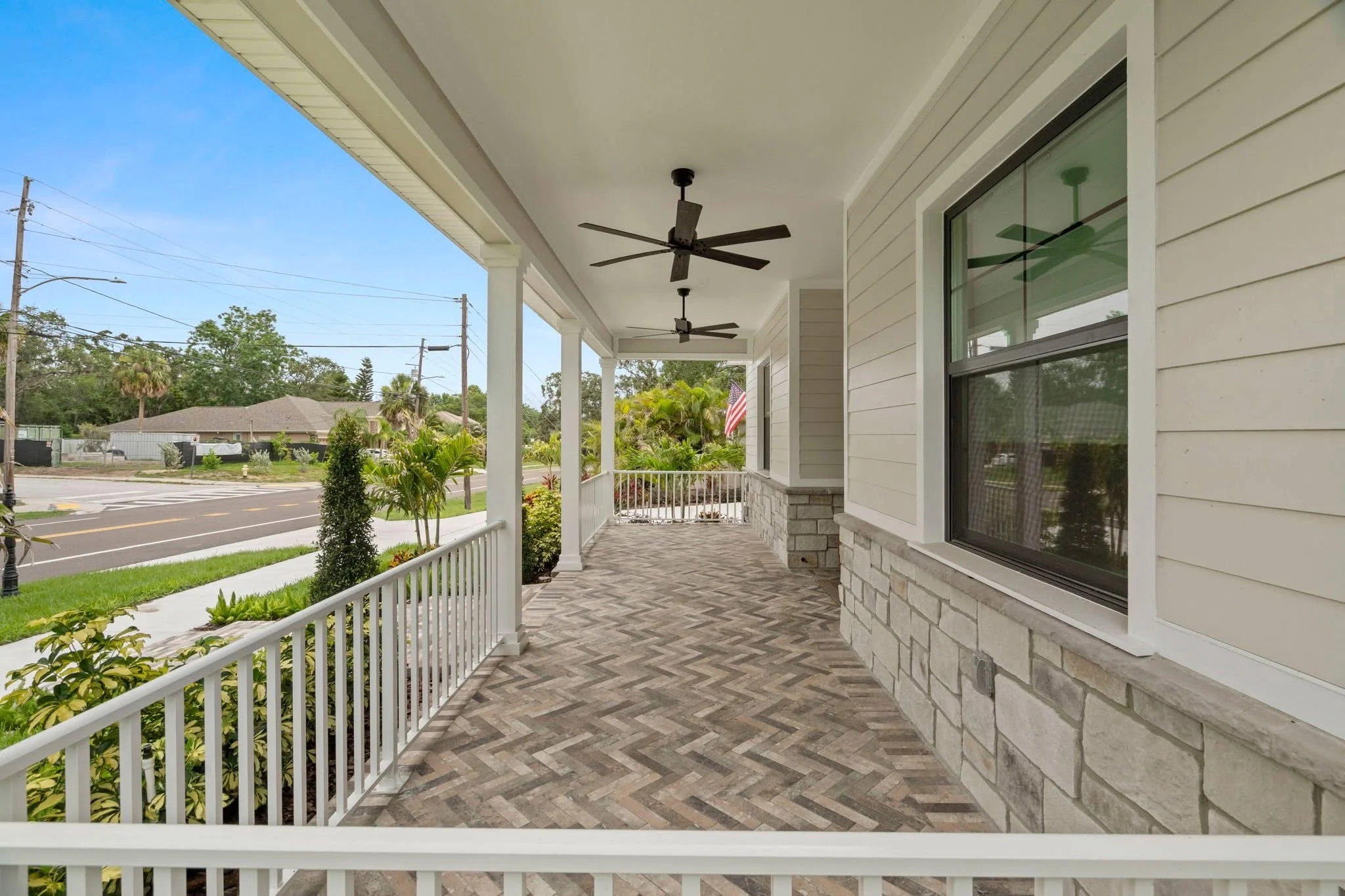
Entryways in Florida deal with tracking in sand, salt, and mud from outdoors. Porcelain is the most practical choice — it cleans easily and won't show wear. Herringbone and geometric patterns are popular in foyers for their visual impact and the way they define the entry space.

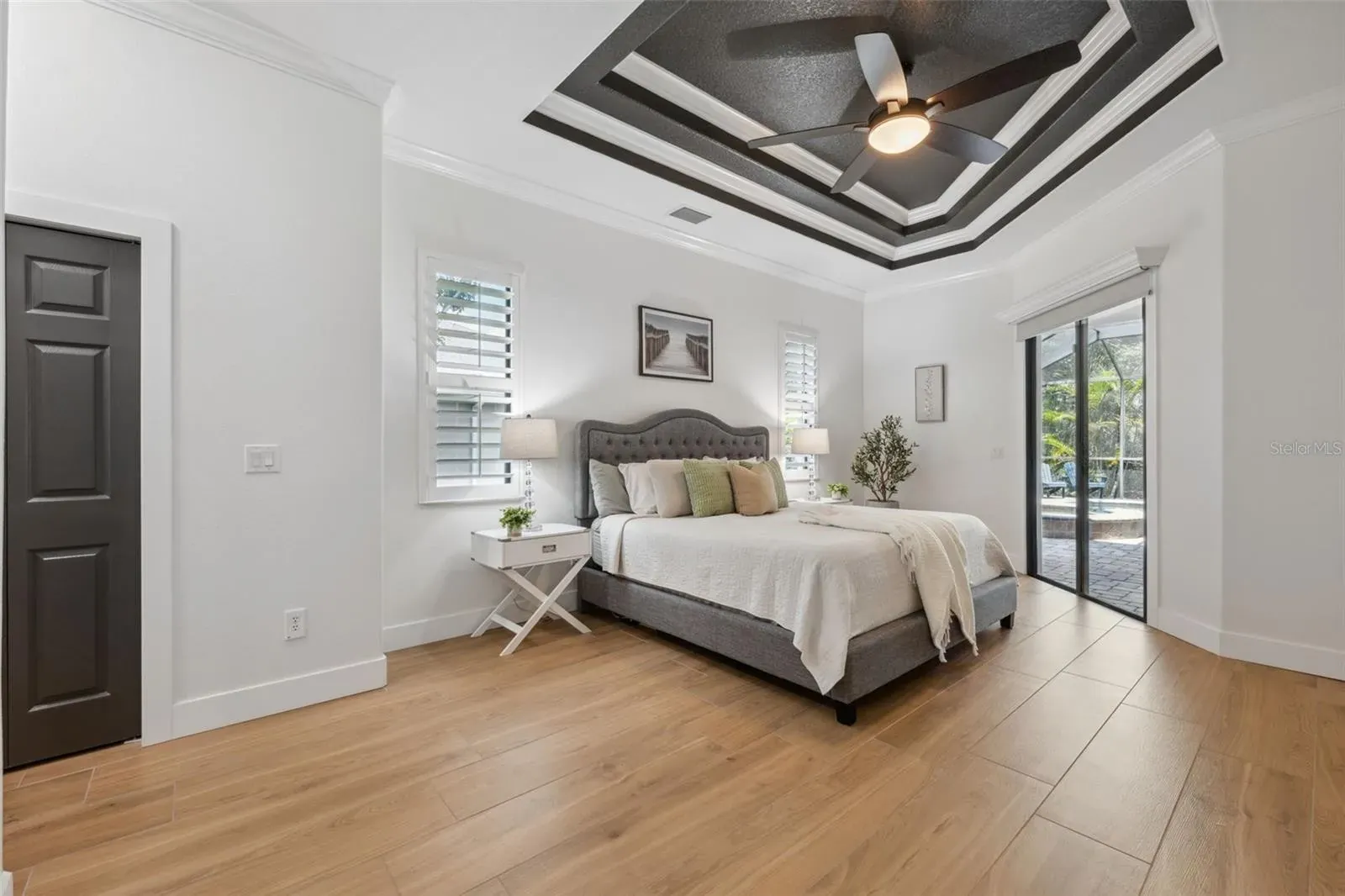
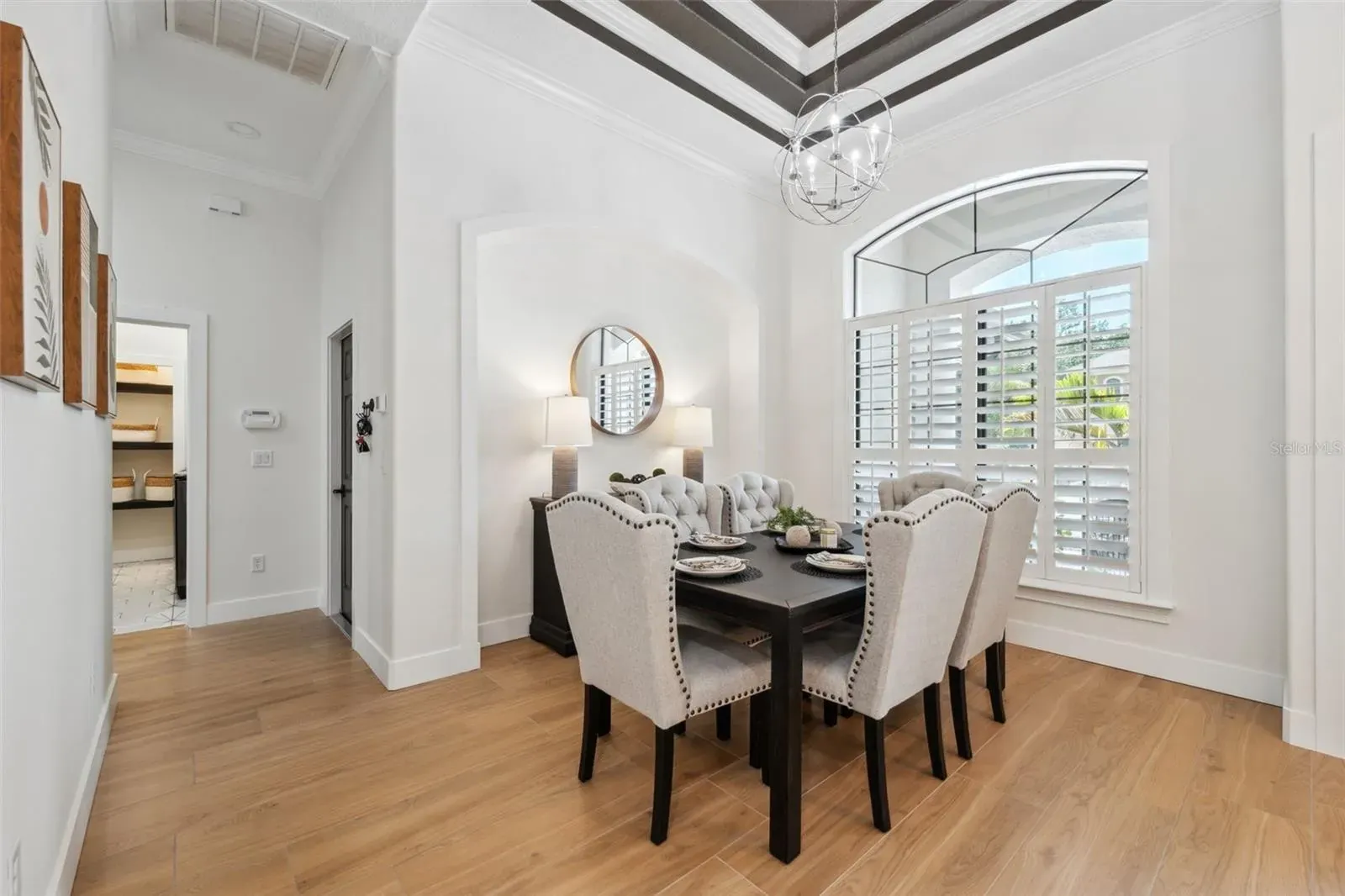
Tile flooring in dining room with tray ceiling — Holiday, FL
Florida-Specific Installation

Why Tile Installation Here Is Different

Tile installation in Florida isn't the same as tile installation in Minnesota. Our climate creates specific challenges that a good tile crew has to plan for from the start — and shortcuts that work fine in drier climates show up as failures here within a few years.

Concrete slabs in Florida move slightly with temperature and humidity. Large format tile is especially sensitive to this — without movement joints placed at appropriate intervals, grout cracks. We plan every large format job with expansion allowances built in.

Outdoor installations need setting materials rated for our temperature range and UV exposure. Standard interior thinset used outdoors in Florida breaks down. We use the right product for each application — it's the difference between a floor that lasts 30 years and one that starts lifting in five.

  • Porcelain specified for all outdoor and high-humidity applications
  • Movement joints planned on all large format installations
  • Exterior-rated setting materials for outdoor work
  • Slip-resistance (COF) confirmed for all wet and outdoor surfaces
  • Grout sealed on installation — epoxy recommended for kitchens and baths
  • Subfloor deflection tested before tile is specified
Service Area

Tile Installation Across Tampa Bay

We install throughout Pasco, Pinellas, Hernando, and Hillsborough counties. Free in-home measurements — no travel fees.

Common Questions

Tile Flooring FAQs

What is the difference between porcelain and ceramic tile?
Porcelain is denser, with water absorption below 0.5% — suitable for indoor and outdoor use in Florida. Ceramic is less dense (1–3% absorption) and better suited for interior dry areas. For most Florida applications, we recommend porcelain. It handles our climate, humidity, and outdoor conditions better than ceramic over the long term.
What does PEI rating mean and which one do I need?
PEI (Porcelain Enamel Institute) rates floor tile hardness from 1 to 5. PEI 1–2 is wall-only. PEI 3 handles light residential use like bathrooms. PEI 4 is standard residential — kitchens, hallways, living areas. PEI 5 is heavy commercial. For most active household floors, PEI 4 is the minimum we'd recommend. Don't let anyone sell you a PEI 2 tile for a kitchen floor.
How do I get a quote for tile installation?
We provide free in-home measurements throughout Tampa Bay. Tile quotes require a site visit — we assess subfloor flatness, deflection, and pattern complexity, then provide a detailed written estimate before any commitment. Call (727) 849-5273 or request online.
Can tile be installed outdoors in Florida?
Yes — with the right product. Outdoor tile in Florida needs porcelain rated for outdoor use, a slip-resistant finish (COF ≥0.60 for wet surfaces), and setting material rated for exterior applications and temperature swings. We've been doing outdoor tile in this market for over 55 years. We'll specify the right product and installation method for your project.
How do I maintain grout in a Florida home?
Unsealed grout absorbs moisture and discolors quickly in Florida's humidity. Seal grout on installation and reseal every 1–2 years in wet areas. Epoxy grout is more durable and doesn't require sealing — a strong choice for Florida kitchens and bathrooms. We'll recommend the right grout type for each application.
Do you install tile throughout Tampa Bay?
Yes. We install tile across Pasco, Pinellas, Hernando, and Hillsborough counties — Holiday, New Port Richey, Palm Harbor, Tarpon Springs, Trinity, Clearwater, Spring Hill, Brooksville, Wesley Chapel, Odessa, Lutz, and surrounding areas. Free in-home measurements with no travel fees. Call (727) 849-5273.

Ready to Talk Tile?

See 500+ tile samples in our 14,000 sq ft Holiday showroom.
Free in-home measurements and estimates throughout Tampa Bay.

Book a Free Measure Call (727) 849-5273