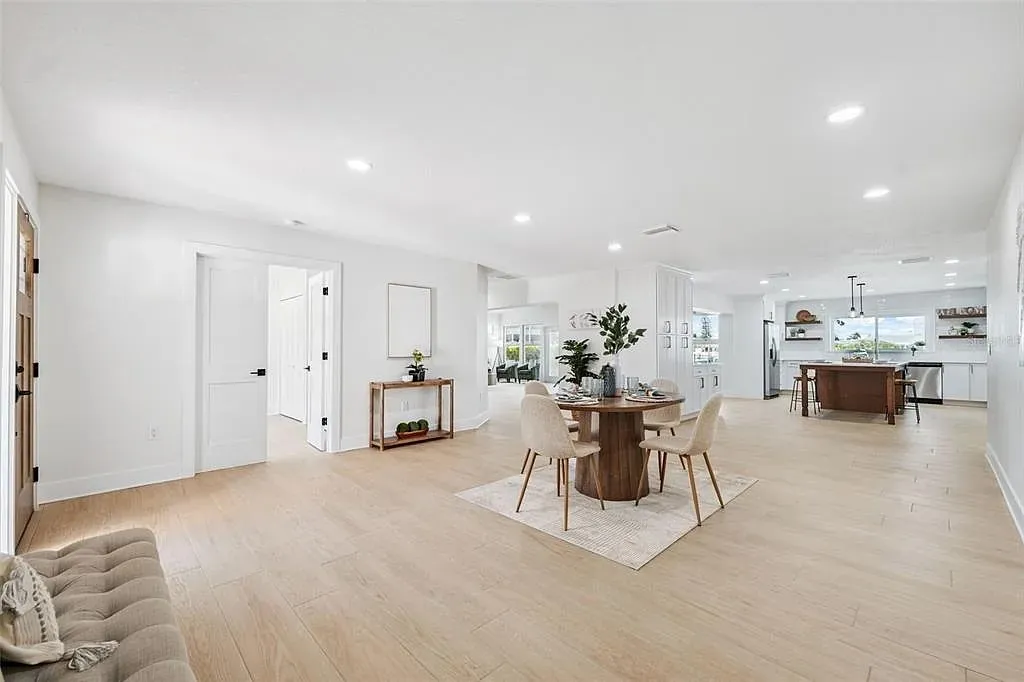
Shopping for tile is exciting — until you start reading the spec sheets. PEI ratings, COF values, water absorption percentages, breaking strength — it can feel like deciphering a technical manual. But these ratings exist to help you, and once you understand what they mean, they make choosing the right tile for your specific application much more straightforward.
Here's a plain-English guide to the ratings that matter most.
PEI Rating — How Hard Is the Tile?
The Porcelain Enamel Institute (PEI) rating measures a glazed tile's resistance to surface abrasion — essentially, how well the tile's surface holds up to foot traffic and everyday wear. It runs from 0 to 5.
| PEI Class | Traffic Level | Where to Use It |
|---|---|---|
| Class 0 | No foot traffic | Wall tile only — not suitable for any floor application |
| Class 1 | Very light | Bathroom floors with soft-soled footwear only. Rarely used. |
| Class 2 | Light | Residential bathrooms — areas with bare feet or soft shoes, no outside access |
| Class 3 | Moderate | All residential areas — kitchens, living rooms, hallways, bathrooms |
| Class 4 | Heavy | All residential + light commercial — entryways, mudrooms, retail spaces |
| Class 5 | Extra heavy | High-traffic commercial — restaurants, hotels, public spaces |
For most Florida homes: PEI Class 3 is the minimum for any floor tile. Class 4 is recommended for entryways, kitchens, and anywhere shoes are worn. Note that unglazed porcelain tile doesn't use the PEI scale — it's rated differently because the entire tile body is uniformly dense.
COF — Coefficient of Friction (Slip Resistance)
The coefficient of friction (COF) measures how slip-resistant a tile surface is. This is particularly important in Florida, where tile floors in bathrooms, pool areas, and entry points can become wet.
The Minimum to Know
Today, tile slip resistance in the U.S. is measured as dynamic COF (DCOF) using the ANSI A326.3 test. A DCOF of 0.42 or higher is the benchmark for level indoor floors that are expected to get wet, like bathrooms and kitchens. For shower floors, pool surrounds, and outdoor areas, choose tile the manufacturer specifically rates for that use (look for labels like “Interior Wet Plus” or “Exterior Wet”). A higher DCOF means better grip, but usually a more textured surface that takes a little more effort to clean.
You may still see a “static COF of 0.6” quoted online. That number comes from an older test method and older ADA guidance, and it isn't the current standard for tile.
The tradeoff is real: highly slip-resistant tile tends to have a more textured or matte surface. Highly polished tile looks stunning but has a lower COF and becomes slippery when wet. For bathrooms, we recommend choosing a tile with adequate slip resistance even if it means sacrificing some gloss — safety is more important than shine.
Water Absorption — Porosity Classification
Tile is classified by how much water it absorbs, which affects where it can be safely used — particularly in Florida's outdoor, pool, and high-moisture applications.
| Classification | Absorption Rate | Common Types |
|---|---|---|
| Non-vitreous | >7% | Decorative tile, wall tile — not suitable for wet or exterior use |
| Semi-vitreous | 3–7% | Some floor tiles — limited moisture resistance |
| Vitreous | 0.5–3% | Most floor tiles — good moisture resistance |
| Impervious | <0.5% | Porcelain — ideal for bathrooms, kitchens, outdoor, pool areas |
For Florida applications: For any area with moisture exposure — bathrooms, kitchens, pool surrounds, outdoor patios — choose impervious (porcelain) tile. The low water absorption of porcelain makes it resistant to freeze-thaw damage (less relevant in Florida, but important) and, more importantly for us, resistant to mold and staining from moisture.
"In Florida, porcelain tile's near-zero water absorption isn't just a spec — it's the reason tile floors in our climate last so well. We always recommend impervious tile for any wet or outdoor application."
Breaking Strength
Breaking strength measures how much force a tile can withstand before cracking. For most residential applications, breaking strength isn't a primary selection criterion — standard floor tile is more than strong enough. It becomes relevant for very large format tile (where the tile spans more surface area and has less support), commercial applications, and any application where heavy equipment might be used.
Putting It All Together
When choosing tile, match the ratings to your application:
- Living room or bedroom floor: PEI 3+, vitreous or impervious (DCOF 0.42+ if it’s near an entry or slider that gets wet)
- Kitchen floor: PEI 4+, DCOF 0.42+, impervious (porcelain)
- Bathroom floor: PEI 3+, DCOF 0.42+ with a matte or textured finish, impervious; shower floors should be rated by the manufacturer for wet-plus use
- Pool surround or outdoor patio: PEI 4+, impervious, and specifically rated by the manufacturer for exterior wet use
- Wall tile (no floor use): Any PEI class 0–5, any COF, water absorption less critical
The easiest approach: tell our team where and how you're using the tile, and we'll filter to products that meet the specifications for your application. You can focus on aesthetics; we'll handle the specs.
Let Us Help You Choose the Right Tile
Visit our showroom in Holiday, FL and our team will help you find tile that's beautiful, practical, and right for your specific application.
Schedule a Free Consultation Browse Our Tile